We’re live blogging the Rose Parade on TV this morning. The wind is whipping outside and rain is pelting the windows here. About thirty miles away in Pasadena, the parade is on schedule and the people watching and the ones in the parade are carrying on – mostly as if nothing unusual is happening. Rain slickers and umbrellas notwithstanding, they all seem to be enjoying the parade. One exception may have been a peregrine falcon riding on the float in the picture; his feathers looked waterlogged as his head nervously darted from side to side as though he were ready to find a roost in one of the trees along Colorado Boulevard.

The storm is expected to dump up to eight inches of rain in the Southland today. It’s probably a good thing that the Rose Bowl isn’t being played until Wednesday evening, when clear weather is forecast. (GO TROJANS!)
 This is perhaps the most amazing animal documentary ever. The footage was gathered in what truly must be “the harshest place on earth”. It is barren, cold beyond cold and then there is the endless night of winter. The underwater footage was my favorite, but every single frame is magnificent. I can’t wait for the DVD, so I can see how the filmmakers did this.
 You know it’s big surf when even the sea lions get knocked around.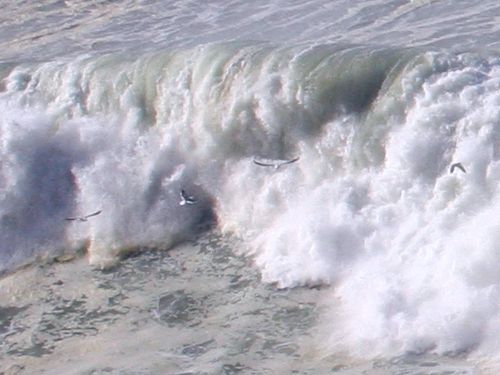
 Montreal (CNSNews.com) – Former President Bill Clinton is expected to address the U.N. Climate Change Conference on Friday, the final day, after the Sierra Club reportedly raised the money to pay for Clinton’s trip.
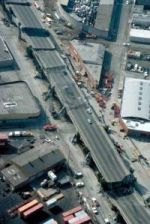 After sifting through seismic data from the two quakes, Valeri Korneev found a spike in the number of micro-earthquakes followed by a period of relative calm in the crust surrounding the quakes’ epicenters — months before the quakes occurred. Although more work needs to be conducted to determine whether other large quakes are foreshadowed by a similar rise and subsequent decline in small-magnitude tremors, Korneev’s analysis suggests that these peaks may be indicative of the total set of geological stresses that affect the timing and location of large earthquakes. Understanding this total stress picture may eventually make it be possible to predict destructive earthquakes within a much shorter time frame than currently possible.