Environment

Sandpiper and Breakwater

Today is a blustery day and we went to the shoreline to watch the waves and see what we could see. At times, we found it difficult to stand in the 40 mile-per-hour (65 kph) wind gusts, but I was determined to get some photo ops for my new telephoto lens.

At the breakwater by Cabrillo Beach, near Los Angeles Harbor, we spotted this sandpiper dodging the breakers and digging for dinner.
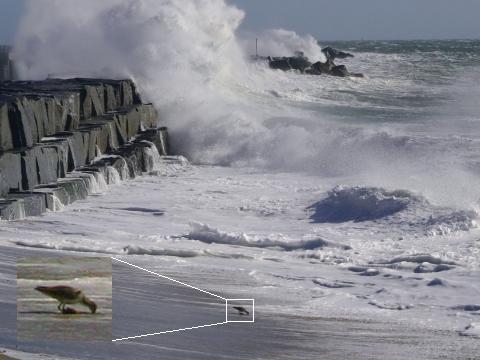
At times, the breakers were crashing 30 to 40 feet (9-12m) into the air above the breakwater.
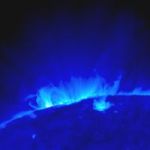
STEREO Sends First Solar Images

For the first time since its October Launch, the twin-spacecraft STEREO project is producing and sending back images of the Sun. Projects like these are important to understanding the effects of the Sun on our climate and environment. The more that we know about this, the better we are able to further disarm global climate alarmist fantasies about anthropogenic effects.

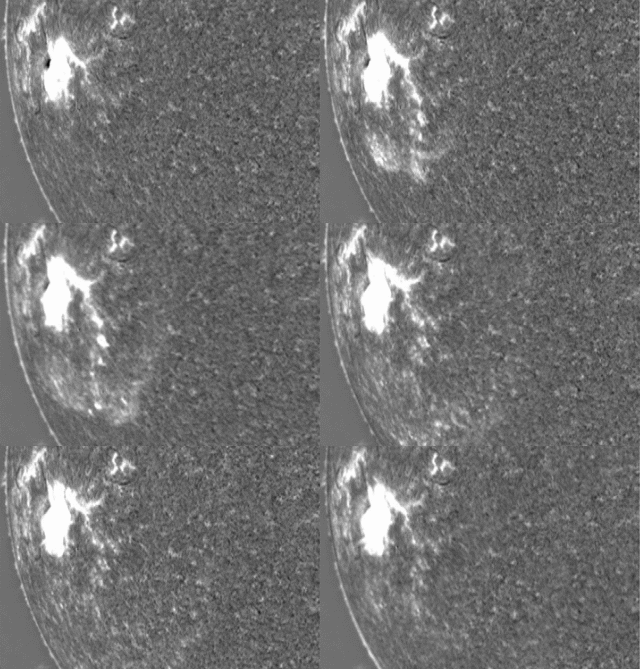
Image right: A close up of loops in a magnetic active region. These loops, observed by STEREO’s SECCHI/EUVI telescope, are at a million degrees C. This powerful active region, AR903, observed here on Dec. 4, produced a series of intense flares over the next few days. Credit: NASA

Continue reading…

Solar Tsunami

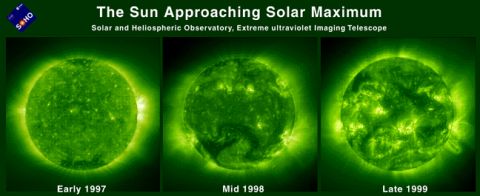
This may be more evidence that the Sun is entering one of it’s most active solar maximums in modern times. The solar flare from December 6, 2006 was so intense that it caused a virtual tsunami of solar plasma to ripple away from sunspot 930.
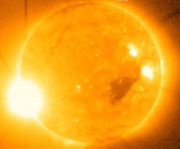
The interesting thing about this event is that it occurred far enough ahead of the maximum to allow it to be studied in detail without having to deal with the chaos associated with the maximum. Hang on and enjoy the ride. I have a feeling we’re in for an interesting display of climate and electromagnetic effects from our Sun.

Image courtesy SpaceWeather.com

Continue reading…

Major Solar Flare

A major solar flare associated with a new, giant sunspot, indicates increasing solar activity as our Sun approaches its 11-year peak (maximum is forecast to occur in 2011). If the sunspot count is particularly high this cycle, we can expect increasing global temperatures as the predominant climatological change generator (the Sun) heats up the planet.

From SpaceWeather.com:

Earth-orbiting satellites detected a major X9-class solar flare this morning at 1035 UT (5:35 a.m. EST). The source: big, new sunspot 929, which is emerging over the Sun’s eastern limb. GOES-13 captured this X-ray image of the blast:
Because of the sunspot’s location near the limb, the flare was not Earth-directed. Future eruptions could be, however, because the Sun’s spin is turning the spot toward Earth. Sunspot 929 will be visible for the next two weeks as it glides across the solar disk.

Al Gore and his band of Greenbats ought to get a clue about actual climate science. How dare they compare anthropogenic climate effects to those of this giant stellar monster? HOW DARE THEY?

A Pleasant December Day

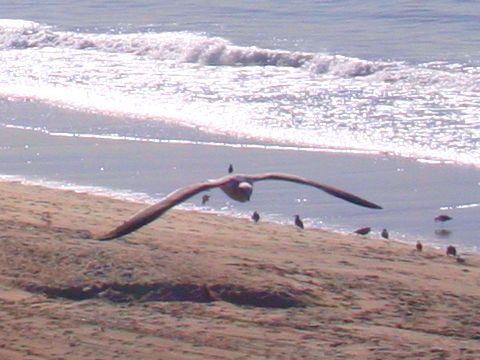
After a few days of seasonable but cool weather, we got a warm day just in time for the weekend. We took the short drive to Redondo Beach and stopped at an overlook near the pier. I was photographing the waves and seagulls on the beach when a brown gull swooped up towards us.

There are a couple more photos below the fold.

Continue reading…

On A Clear Day

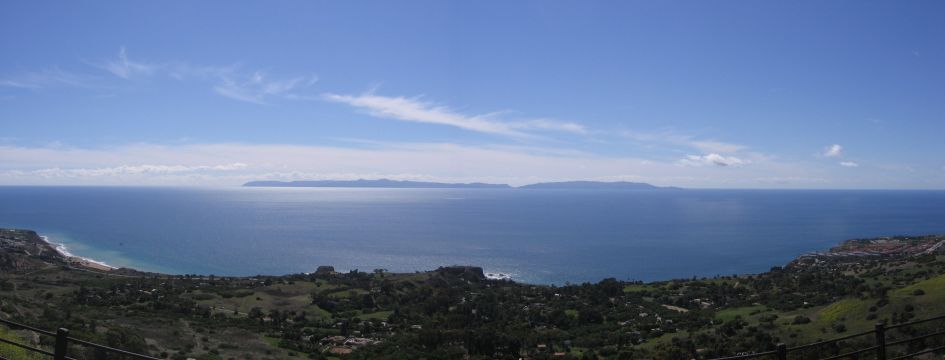
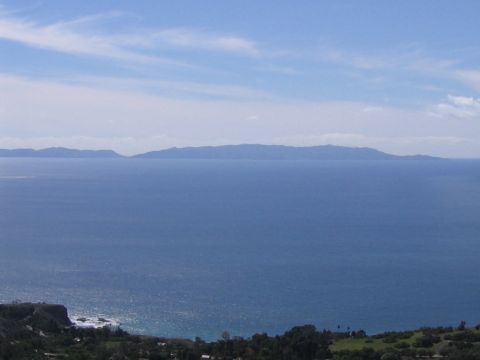
Most of the time we have marine haze or fog along the coastline in the Los Angeles area. Today, however, the air is remarkably clear, thanks to a little cool front passing through. I wasn’t able to stop in traffic this morning to photograph Catalina Island, so I dug this photo out of the archives taken on a similar day last winter.

This photo is a segment cut from a Panoramic view of Catalina Island.